
My Experience
I'm a software engineer with deep experience building performant Go services and scalable infrastructure in the cloud.
I like talking and practising:
- Writing clean, maintainable code that does what it's supposed to.
- The “best” solution to a problem and it's tradeoffs.
- Emergent technology and how it impacts my workflow.
I’ve worked on a range of projects, from ingesting IoT telemetry across thousands of devices to defending platforms against coordinated bot traffic.
I work across the stack, but my specialty is backend application logic, distributed systems, and infrastructure-as-code.
Current
Current
iMessage Capture Platform
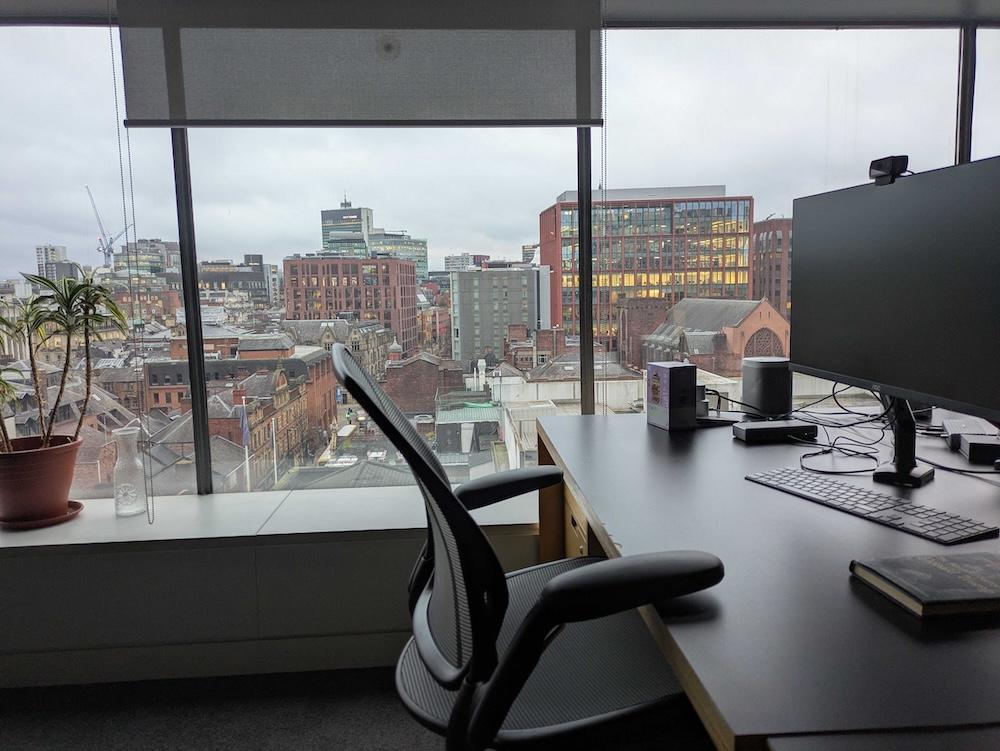
Since December 2025, I’ve been at MirrorWeb, focusing on our iMessage capture product.
My work centers on reliably capturing messages from Apple hardware and securely ingesting them into the platform for long-term archiving and compliance.
Day to day, I’m still deep in the Go ecosystem, designing and operating high-ingress services that are performant, fault-tolerant, and resilient to the messy realities of networks and devices.
However, I’m writing less code by hand and spending more time on system design, architecture, and operational reliability.
A critical part of my role is ensuring that what we capture and publish integrates cleanly with our downstream systems, so customers receive complete, trustworthy records without needing to think about the underlying plumbing.
I also lean heavily on LLMs using agentic AI workflows and on-shell tools alike to move faster on design, refactors, and testing—while still keeping myself firmly in the loop on every change that ships.
2025
2025
IoT Ingress Platform
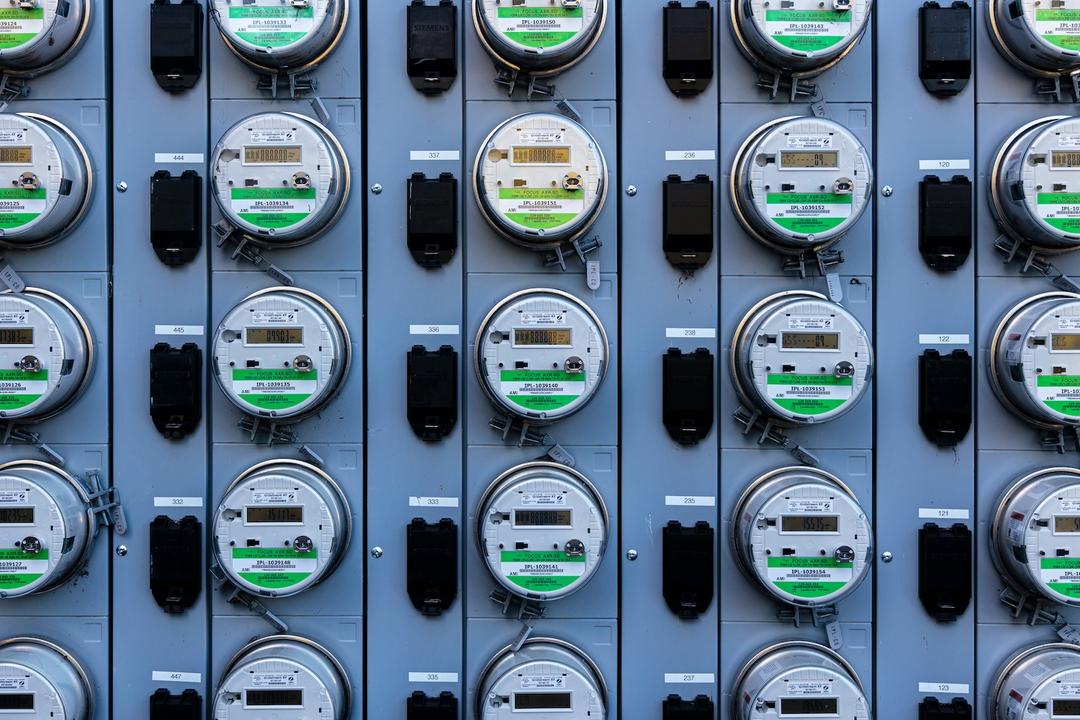
At Learnd Labs, we set out to connect the entire company estate to our cloud platform, enabling IoT telemetry collection across 1 in 15 large, non-residential buildings in the UK.
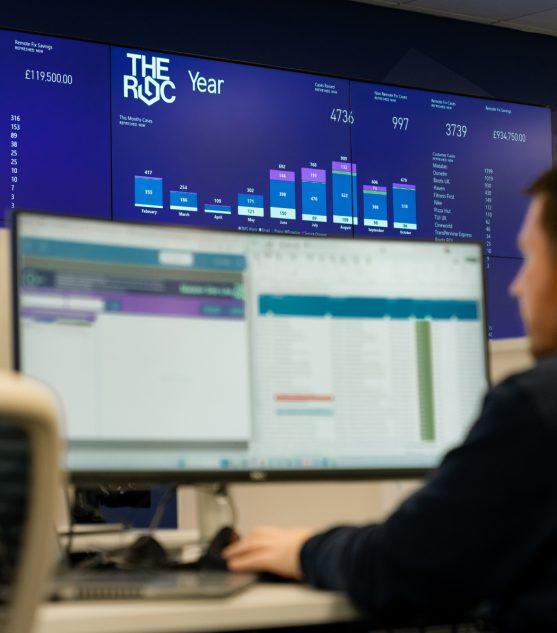
Build and maintain a platform capable of handling high-ingress, high-volume data from connected devices.
Deliver a cross-platform mobile application, tailored for field use by engineers and estate managers alike.
Optimise and maintain a supervisor application, deployed on-site to enable real-time data collection and transmission from Building Management Systems (BMS).
2024
2024
Ecommerce Store API Shield
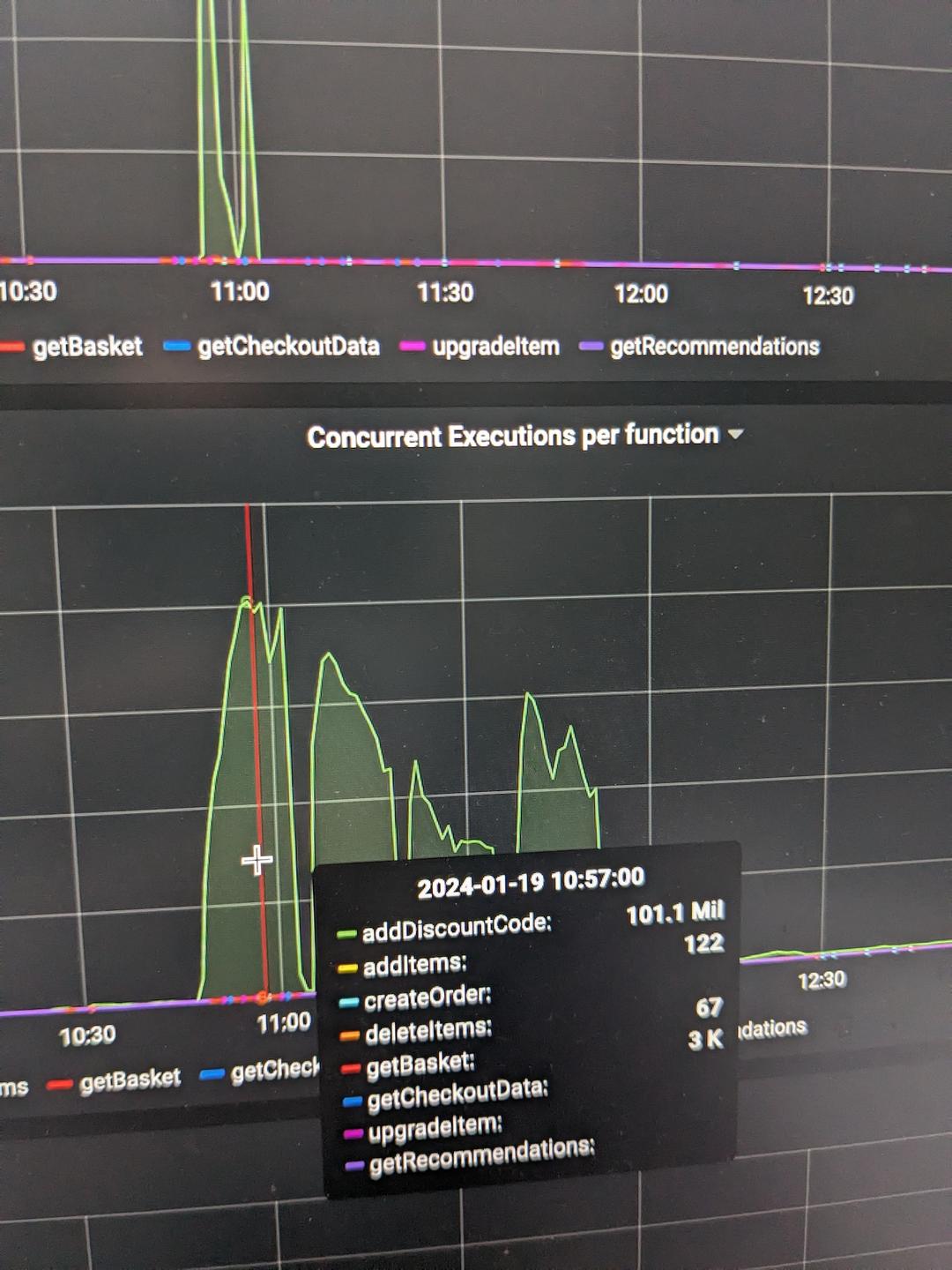
Led the creation of a protective layer for a high-traffic e-commerce platform, designed to identify and block botnet activity and scalper behavior. Reduced peak load on core services by ~30% through a performant, serverless Go implementation.
This was an interesting one because I was able to leverage Go generics to entirely decouple authentication from the protected service—without splitting it into a separate microservice. This allowed the company to reuse this code in every project going forward.
With this type of work it really is an arms race. Some of the most engaging moments came from poring over request logs with the team and seeing what novel methods the bad actors had come up with next!
2022
2022
Scalable API Platform for High-Traffic Retail Environments
I developed and maintained a high-traffic, serverless RESTful API serving over 100,000 monthly active users. Built with a decoupled, service-oriented architecture, it was horisontally scalable and reliably absorbed large traffic spikes—especially during peak events like Black Friday.
This was my first time using Go in a professional setting. Initially, I was unsure about the lack of traditional inheritance, which I had grown to love (and probably overuse). But over time, I came to appreciate the flexibility of its compositional approach to object oriented programming.
The API was fully versioned and well-documented, enabling long-term support for native mobile clients and smooth collaboration with frontend teams. Infrastructure was provisioned as code to ensure reproducibility and alignment across environments.

2021
2021
Business Intelligence Search Engine
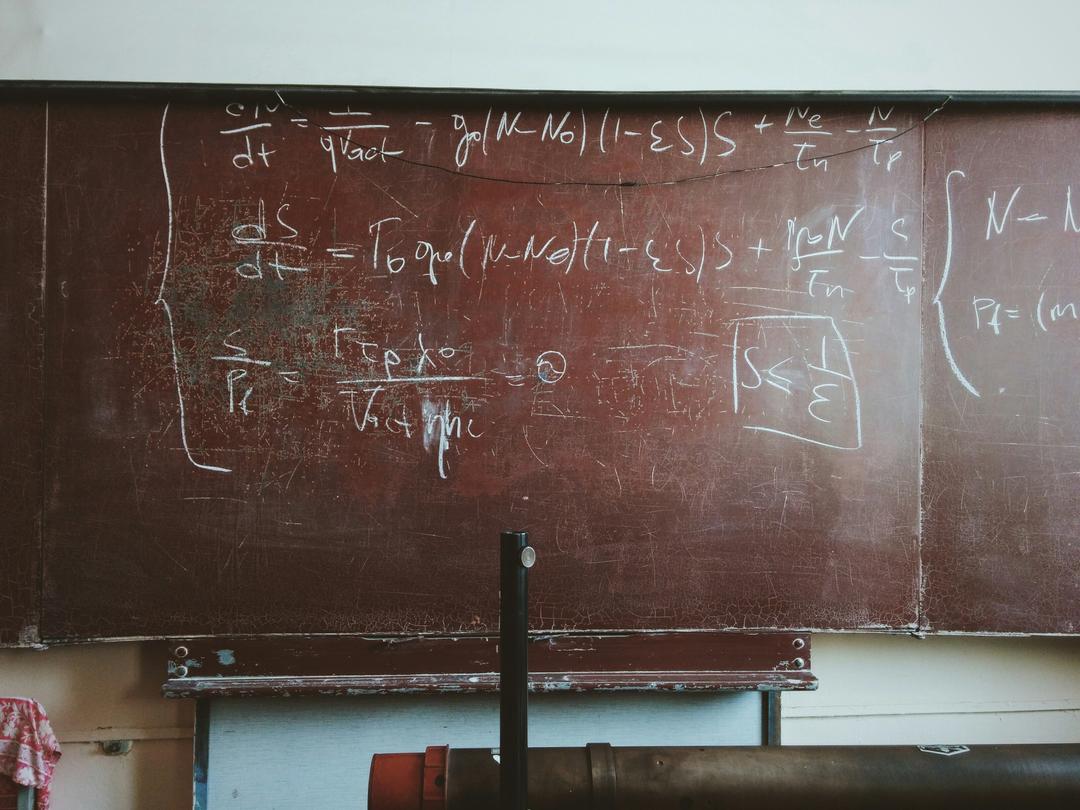
I started on this project as an API developer but was quickly moved to the data team to apply my physics background to more analytical challenges. This was my first experience with data science, and it turned out to be some of the most exciting work I've done.
We started by scraping the Companies House API to build a graph database containing every officer and Person of Significant Control (PSC) associated with 4.3 million UK businesses. I then helped design and implement algorithms within our ETL pipeline to link these individuals and entities, generating a connected graph of UK corporate structures.
This graph became the foundation for detecting ownership chains and identifying patterns indicative of financial crime—including money laundering and tax evasion.


2018
2018
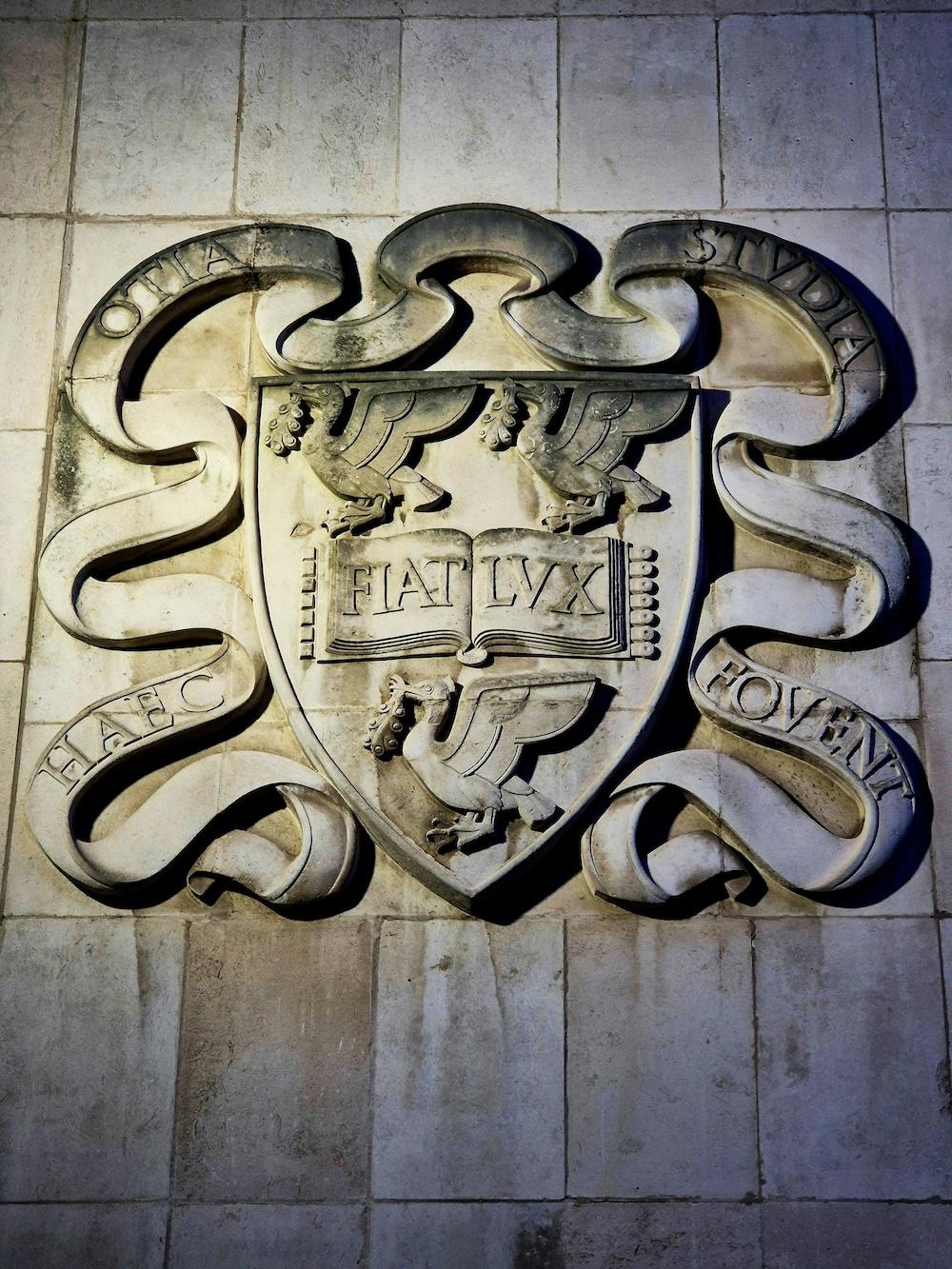
Astrophysics MSc - University of Liverpool
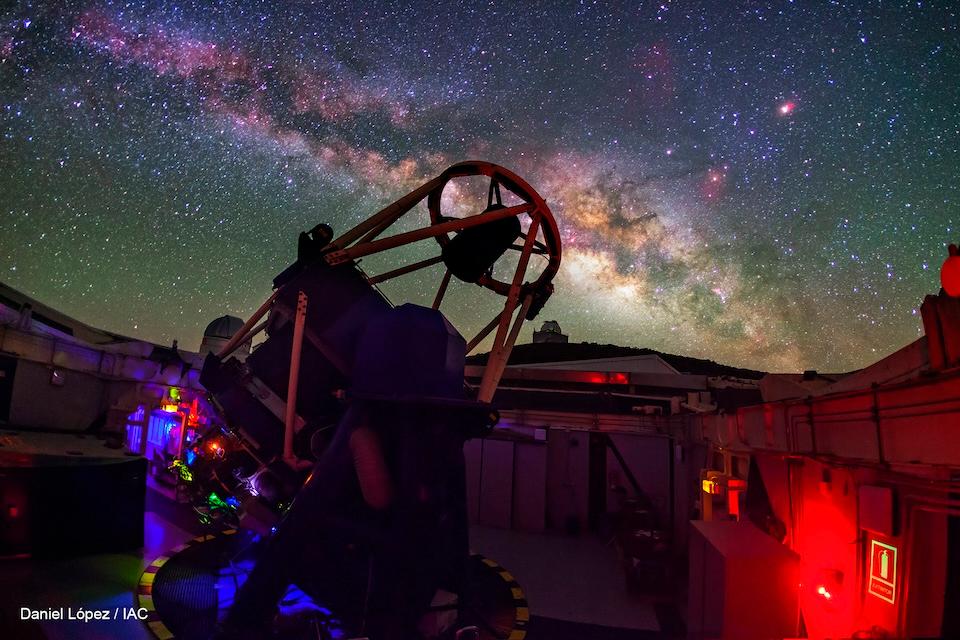
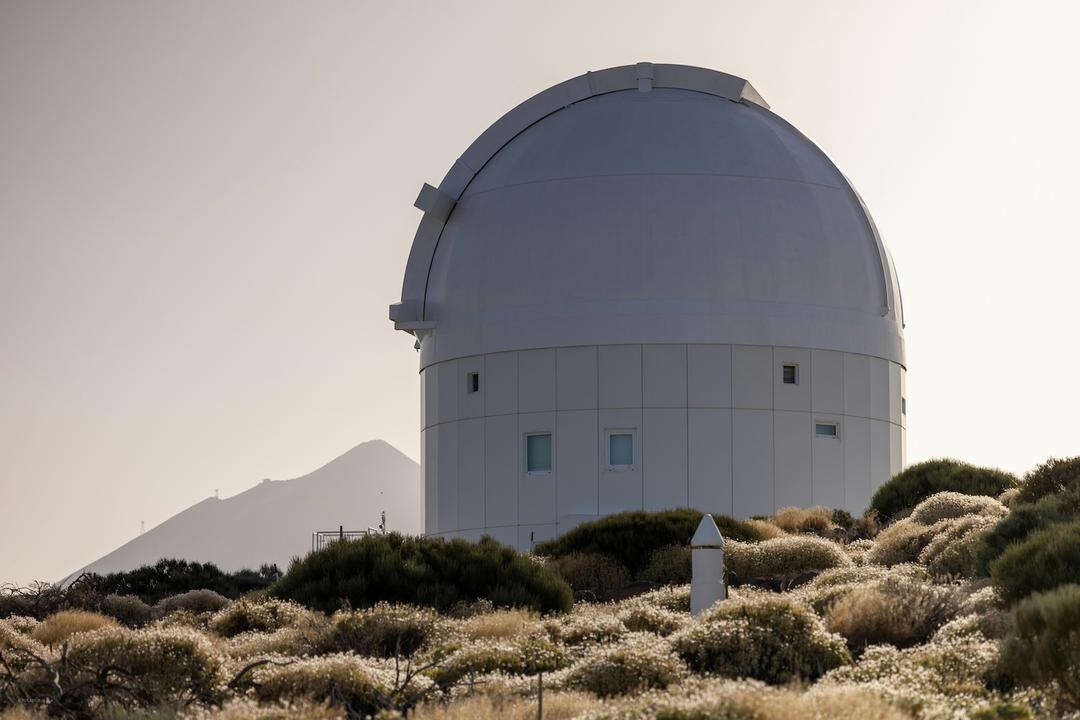
Completed a Master of Astrophysics with First-Class Honours at the University of Liverpool. My thesis, titled “Photometry and Spectroscopy of the Type II Supernova ASASSN-16a,” combined observational and computational techniques to analyse how supernovae enrich their host galaxies.
I specialised in Cosmology and Galaxy Morphology, diving deep into the large-scale structure of the universe and the classification of features of the universe at large-scale. Python was my go-to tool throughout, particularly for data analysis and visualisation.
One highlight was a module in Computational Astrophysics, where we simulated black hole binary mergers—an using a blend of numerical methods and physics.
Frequently asked questions
Hopefully you'll find what you're looking for — if not, feel free to get in touch via the contact form.